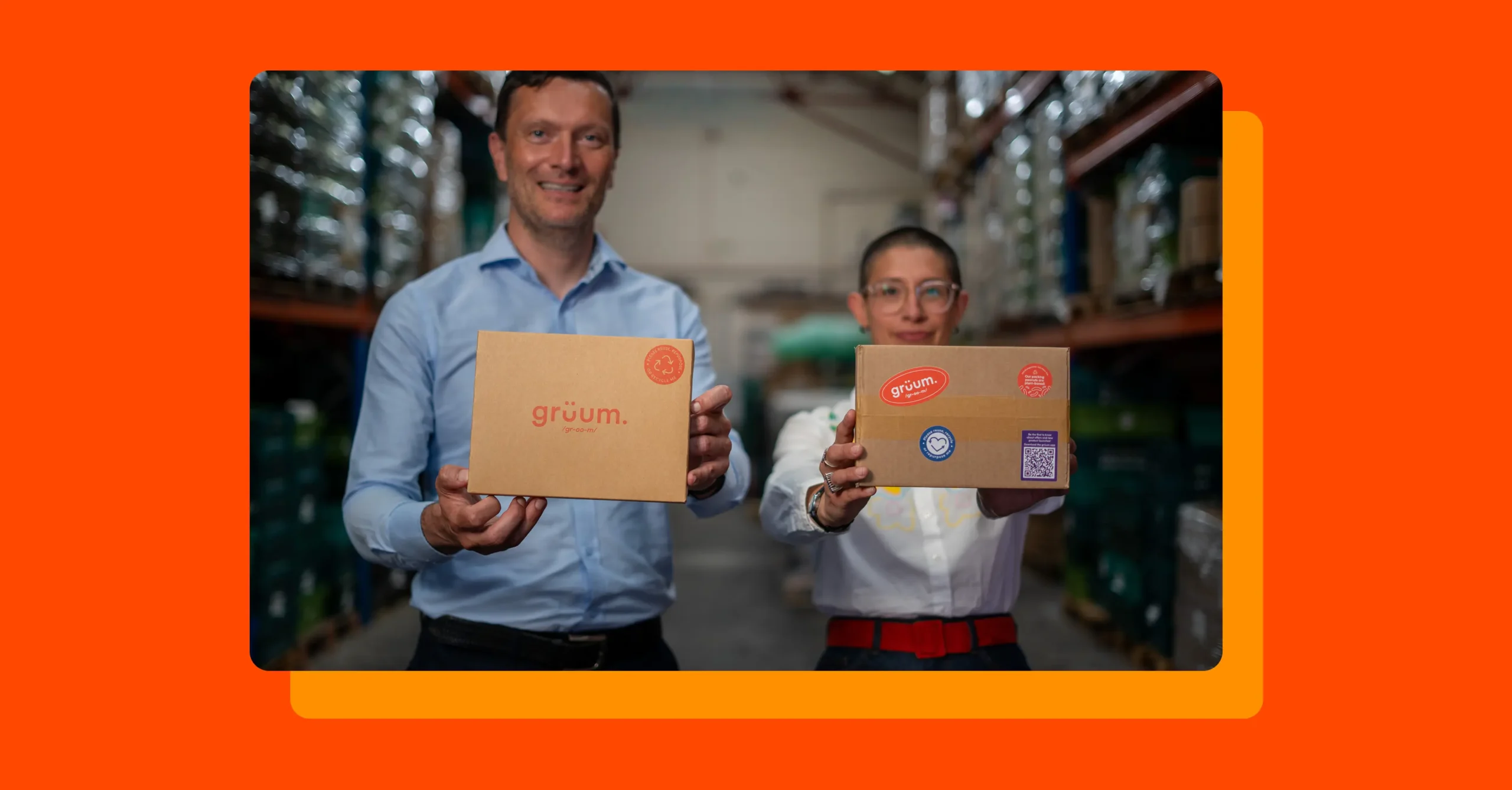
In January 2016, colleagues Simon Leonard, Andy Shaw, Bethanie Sleigh and George Lagonikas left their jobs to build something together. Working throughout the Netherlands and Great Britain, they launched grüum in September 2016 with around 10 products.
Although the focus initially was mainly on male skin care and shaving, the range has now been expanded much further. grüum now makes skin care, hair care, body care and shaving products for all ages and genders, all manufactured in-house in Stockport. Their best-selling product is a shampoo bar, which has sold millions.
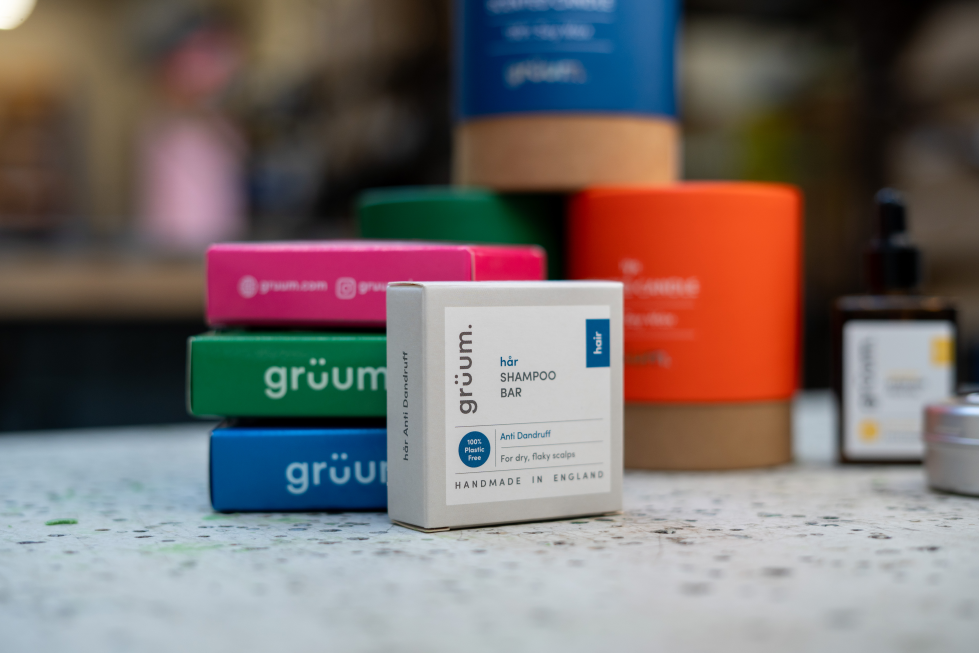
Sustainability is at the heart of everything they make: cardboard packaging where possible, waterless formulations, natural ingredients. Their cosmetic scientists, hired in-house so they wouldn’t have to rely on contract manufacturers, develop each formulation in-house, meaning faster iteration and tighter quality control.
By 2023, they were processing up to 80,000 orders per month with one full-time developer. That’s when they decided to check if WooCommerce was still the right platform for where they were going. After four months, they chose to stay on the platform. Here’s what they learned.
grüum processes up to 80,000 orders per month across approximately 300 SKUs. Customers can purchase individual products, subscribe to regular deliveries, or purchase bundles, some of which are configured in unique ways.
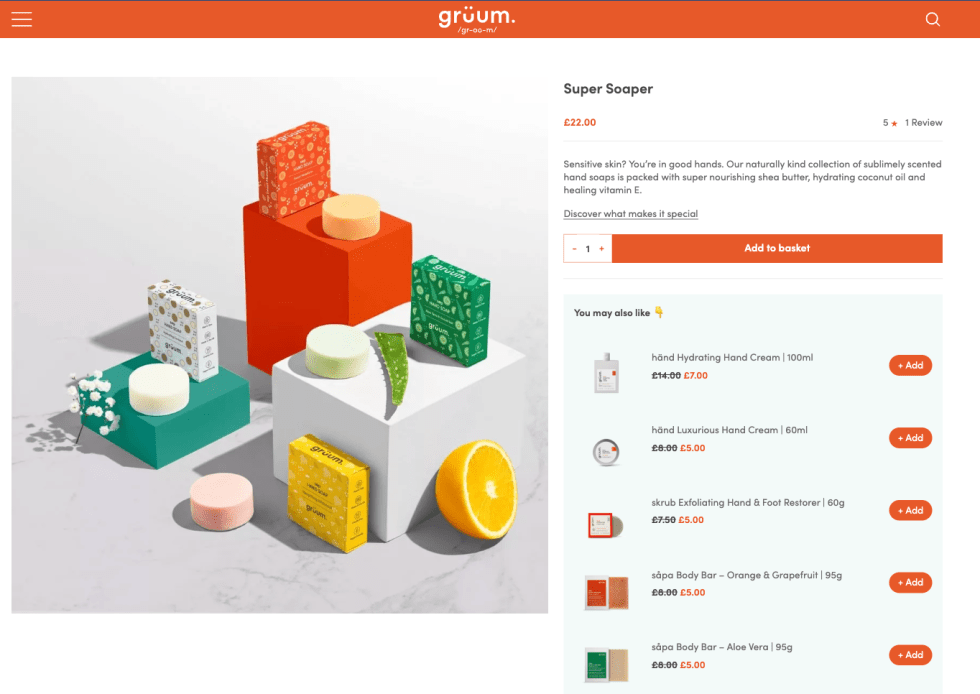
“We have a lot of strange ways that we set up products,” says co-founder Bethanie Sleigh. Their product bundles manage “the content, pricing and inventory management” as one configurable unit.
For example, a customer can purchase a bundled soap set and add other products to their order. They can even subscribe to products individually to save even more.
They discovered that Shopify Plus couldn’t support this.
“We had to adapt our business to fit that business,” Leonard says. “With WooCommerce, we can make WooCommerce fit our business and make it work for us. We don’t have to change our principles.”
This flexibility is thanks to WooCommerce’s open-source foundation. grüum is not limited by the standard features of the platform. If a bundle requires conditional logic, an extension is available, or a developer can create one. While most sellers may not need this, for companies with unique catalog structures, this means they can sell without restructuring their operations.
Magento was the first to be eliminated.
Adobe Commerce – which became Magento after Adobe acquired it – is built for enterprise operations with the deep customization that comes with it. It also requires significant operational resources. Although it was sturdy, it didn’t fit. It required dedicated technical staff for maintenance and performance, and for us the overhead was not economically feasible.
And as Leonard puts it, “We wouldn’t hire a team of 20 people to run our website.”

Shopify Plus presented another cost challenge. Subscriptions are important to grüum, now accounting for 10% of revenue, with the average subscriber staying for 30 months. The cost of the subscription infrastructure is critical to this retention rate.
Shopify charges a percentage of subscription revenue. Leonard has done the math: “If you get £1 million or £10 million from subscriptions, that quickly adds up. You’re immediately spending £100,000 a year.”
WooCommerce Subscriptions charges a flat fee, resulting in significant cost savings on a grüum scale. Payments followed the same logic. Leonard chose WooPayments because it is native to WooCommerce.
Speed is also a factor. According to Leonard, grüum’s CTO estimated that tasks that previously took a year to complete could be completed in a month with WooCommerce. Faster time-to-market reduces costs and complexity.
grüum operates its website with a full-time developer and a part-time QA tester. A small content team manages product configuration, page creation, and daily content updates.
“We don’t often need development aid,” says Sleigh.
The content team uses Gutenberg for page building, navigation and Yoast for SEO. Product listings, promotions and seasonal updates can be managed without developer intervention.

This is possible thanks to the design of WooCommerce. The WordPress ecosystem provides these types of mature tools for non-technical users. grüum uses these tools as intended, rather than relying on workarounds. And the developer focuses on building improvements and improving the customer experience, rather than on routine maintenance.
If grüum ever leaves WooCommerce — Leonard notes, “I don’t think we will,” — “the data is ours, which is very different from other subscription platforms. It gives us control over our customers instead of giving them to a third party.”
With an average subscription duration of 30 months, grüum has built strong customer relationships. Their purchase history, preferences and purchasing patterns remain with grüum. Relying on a system controlled by another party, especially one that restricts access to data, poses significant operational risk.
And not one that brings grüum.
Do you feel stuck with your ecommerce solution? Let’s talk.

Christina Bevitori is a content strategist with 15 years of experience helping brands connect with their audiences. She currently works at Woo, where she focuses on editorial storytelling, SEO, AEO and AI-enabled content creation. Outside of work, she enjoys relaxing with her cat, eating snacks, kayaking, and collecting rock records.