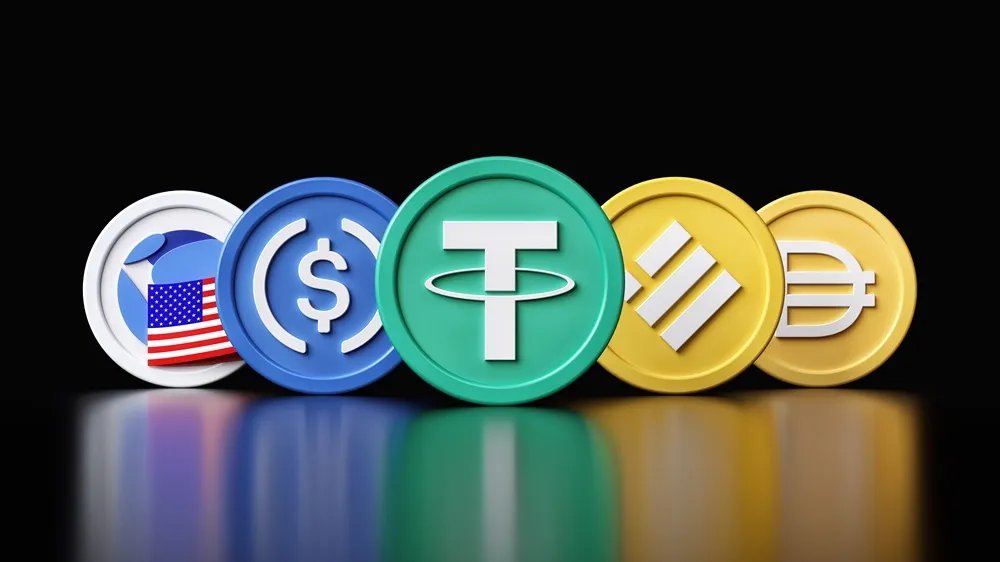
The US Treasury has proposed new licensing rules for payment stablecoin issuers under Section 3 of the GENIUS Act, opening another major comment period for digital asset regulation.
The proposed rules were released on August 18 and published on August 21. Under the proposal, issuers of payment stablecoins would need to obtain a federal or state license starting on January 18, 2027. By July 18, 2028, digital asset service providers would be prohibited from offering unlicensed stablecoins to US persons.
Public comments are open until October 19, 2026.
This is not yet an active law.
The proposal is still in the rulemaking stage, and details may change after public feedback.
TL;DR
- The Treasury Department has proposed licensing rules for stablecoins under the GENIUS Act.
- Exporters will need a federal or state license starting January 18, 2027.
- Providers will face restrictions on unlicensed stablecoins starting July 18, 2028.
Why Stablecoin Licensing Matters
Stablecoins are now one of the most important parts of the cryptocurrency markets.
They are used for trading, payments, settlement, remittances, decentralized finance, exchange liquidity, and access to the dollar outside the traditional banking system. This makes it too big for organizers to ignore.
A licensing framework would bring oversight of stablecoins closer to the world of banking and payments.
Issuers will need to meet requirements related to reserves, supervision, compliance, reporting and recovery. Providers will also need to know which stablecoins can be offered to users in the US.
This could reshape the market.
Federal and state pathways create competition
The proposal would allow for federal or state licensure.
These details are important because stablecoin regulation has long involved a tug of war between national oversight and state-level regulations. Some exporters prefer state frameworks. Regulators may prefer a more unified federal approach.
Dual-tracking can give issuers options, but it can also create complexity.
The quality of state supervision, reciprocity, fallback standards, examination authority, and coordination of implementation will all be of great importance.
Stablecoin issuers want clarity. Regulators want control. The proposal attempts to create both.
The 2028 provider deadline is important
The July 18, 2028 deadline may be the biggest lever for the market.
By that date, digital asset service providers will be prohibited from offering unlicensed stablecoins to US persons. This could impact trading platforms, wallets, payment apps, DeFi front-ends, custodial platforms, and other intermediaries.
If strictly enforced, the rule could push the market toward licensed stablecoins.
Unlicensed issuers may lose access to US-facing distribution channels. Licensed exporters can gain market share. Small or offshore stablecoins may face new pressures.
A deadline gives the market time, but it also creates a clear end state.
This could boost the stablecoin market
Organization tends to favor size.
Larger issuers may be better able to absorb compliance costs, maintain reserves, handle audits, and negotiate with service providers. Small exporters may face difficulties if licensing becomes expensive or operationally demanding.
This could boost the market share of stablecoins.
The result may be a safer and more regulated market, but also one with fewer issuers and less experience.
This is the basic trade-off in stablecoin policy.
What comes next?
The comment period will be important.
Stablecoin issuers, exchanges, banks, fintech companies, consumer groups, and crypto policy organizations are likely to respond. They may challenge definitions, deadlines, licensing standards, provider obligations, reserve requirements, and federal mandate limits.
The Treasury Department may revise the rule after comments close.
For now, the proposal gives the market a clearer timeline.
Stablecoin issuers may have until early 2027 to secure licenses, while service providers face a later deadline in 2028 to offer unlicensed products to users in the United States.
This is still a suggestion, but it is one the industry cannot ignore.
This article is based on Treasury Department’s proposed rulemaking and Federal Register materials relating to the GENIUS Act.
This article was written by News Desk and edited by Samuel Ray.